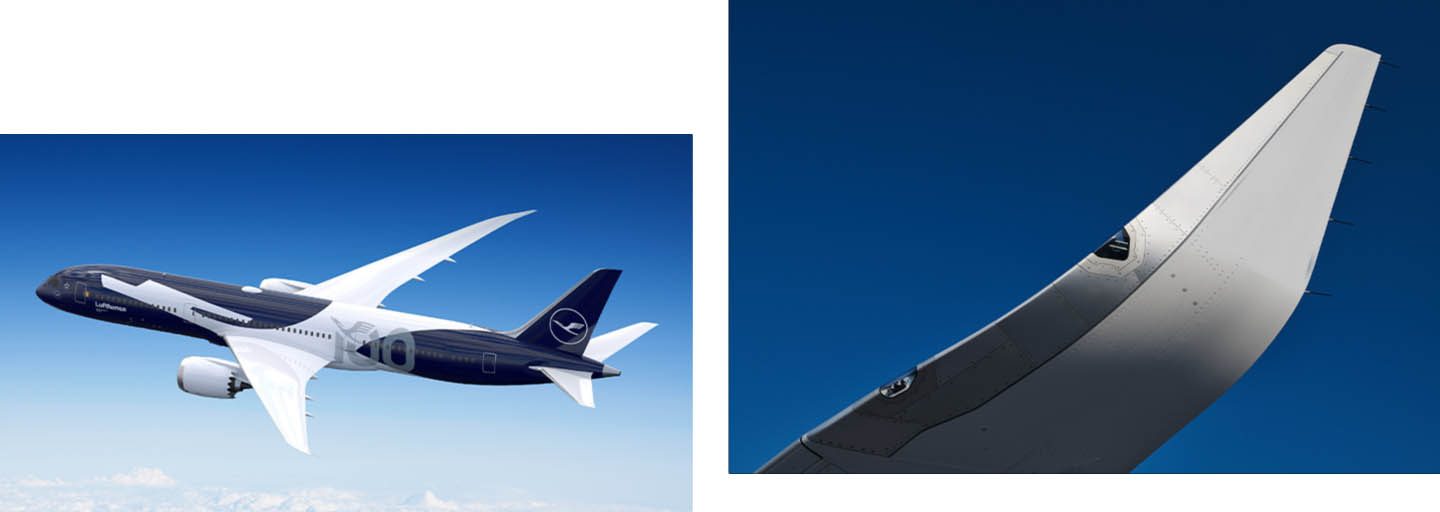
The Lufthansa Group is always on the lookout for new, sustainable technologies. Two examples of this are investments in sustainable aviation fuels (SAF) and other pilot projects such as sharkskin technology that takes direct inspiration from nature to reduce aircraft fuel consumption.
More sustainable business travel: New technologies and modern fleets
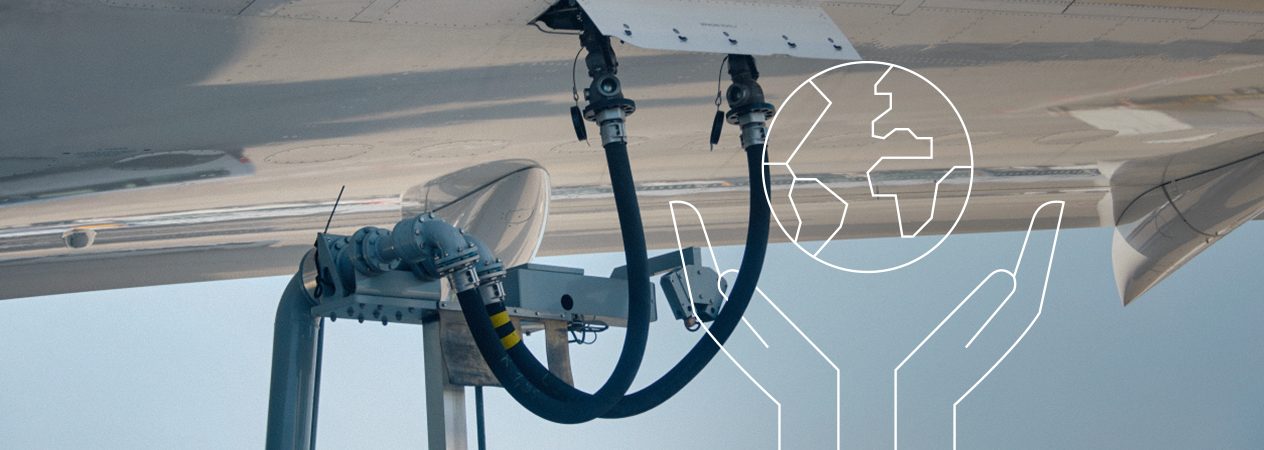
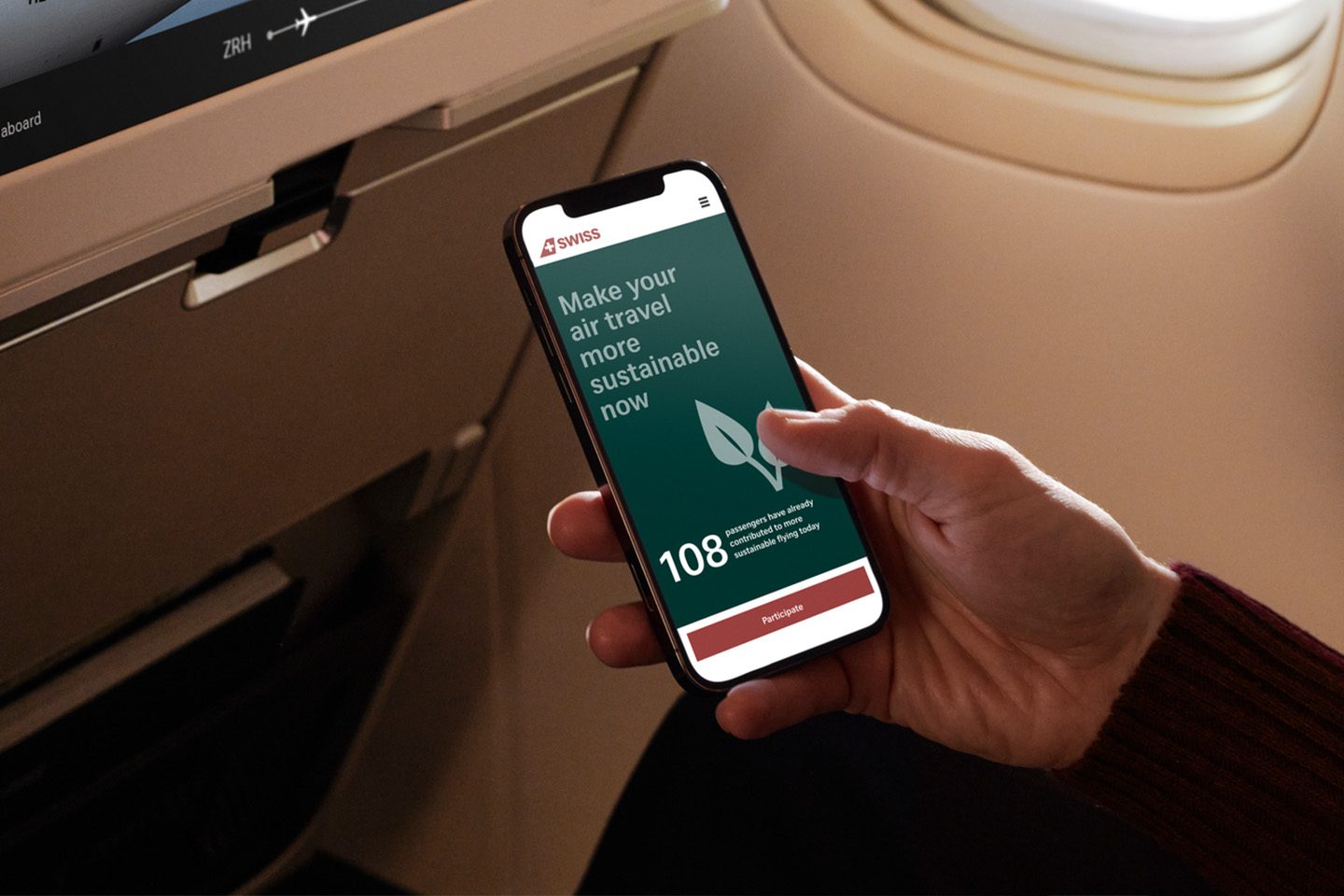
More than a buzzword: sustainability. The goal of more sustainability is both a commitment to operational efficiency and a long-term environmental responsibility. In this, the Lufthansa Group Airlines have always played a leading role in the adoption of more sustainable technologies. Let’s take a look at some of the milestones that mark important steps in the evolution of more sustainable business travel.
Entering the Jet Age
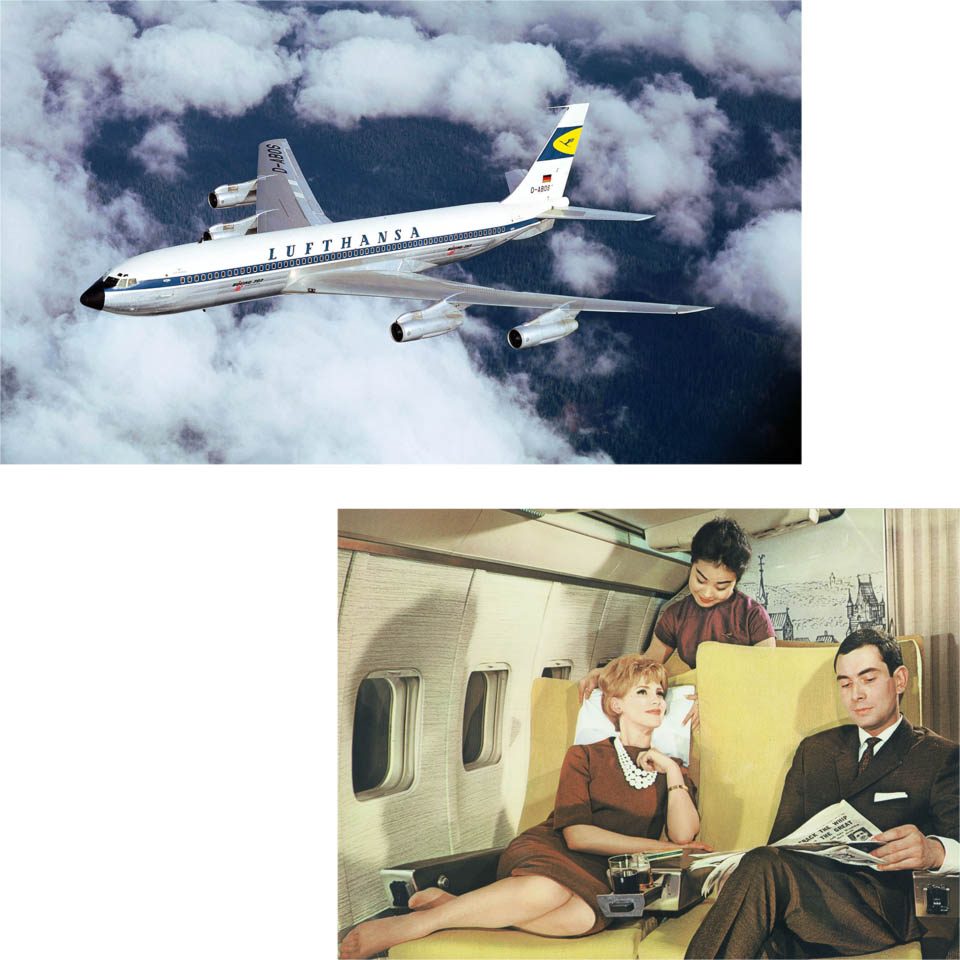
Hard to imagine by today’s standards, but the introduction of the Boeing 707 in the 1960s was one of the first steps towards more sustainable business travel. The new engines cut travel times drastically, reducing fuel consumption to a level that was quite remarkable back in the day.
Adapting and improving
SAF
The Lufthansa Group Airlines have steadily invested in technologies that reduce fuel consumption and environmental impact. In 2011, they participated in one of the first pilot projects for sustainable aviation fuels (SAF), exploring alternatives to conventional jet fuel.

Sharkskin technology
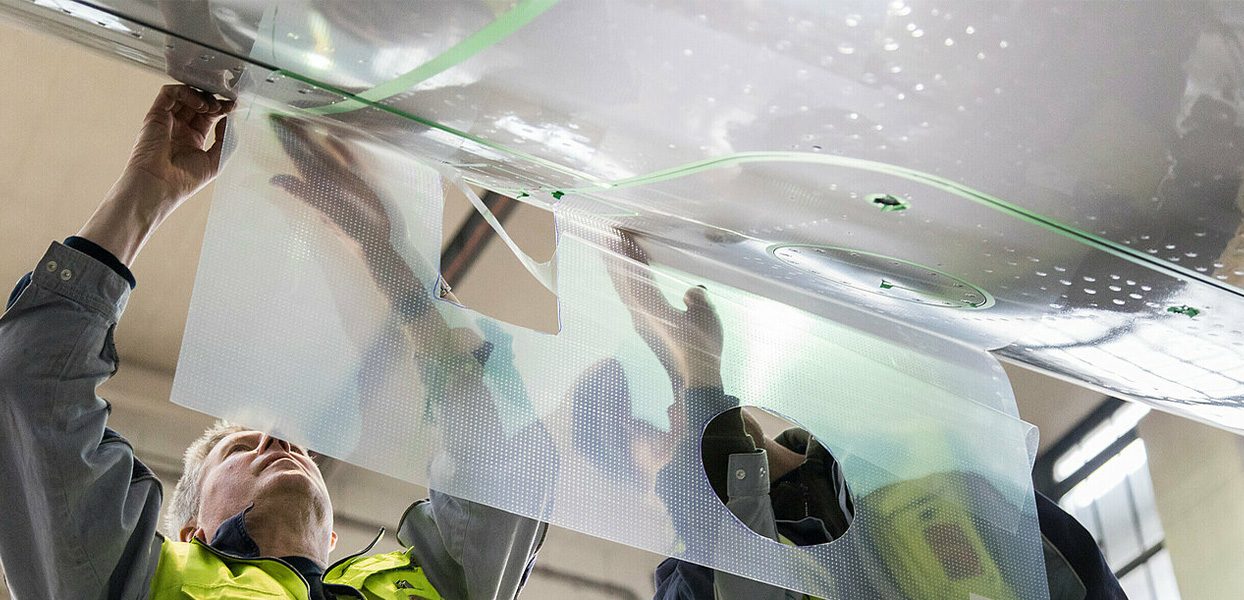
In 2019, Lufthansa Technik and BASF covered a full Lufthansa Boeing 747-400 with sharkskin technology, surface film inspired by sharkskin that reduces aerodynamic drag. What was an experiment back then is now technology that has been installed on a growing number of aircraft belonging to multiple Lufthansa Group airlines like Austrian Airlines, Lufthansa, SWISS, and Lufthansa Cargo. The result? A contribution to measurable fuel savings on long-haul routes.
Eye to the future
Today, the Lufthansa Group airlines have committed multi-billion Euro investments to fleet modernization, prioritizing fuel-efficient aircraft such as the Airbus A350 and Boeing 787. Both are next-generation models that significantly reduce fuel consumption and emissions compared to older aircraft models. They also offer a lot of potential for further innovation and digitalization.