When two iconic German brands talk about quality, they’re not talking about certificates or accolades. They’re talking about consistency, the invisible discipline required to deliver excellence across thousands of touchpoints, every single day. MEISSEN, with over 315 years of unbroken heritage in fine porcelain craft, and the Lufthansa Group, marking a 100-year anniversary for Lufthansa, share more than a business relationship. They share a philosophy: quality is a constant in a changing world. In conversation with Dr. Tillmann Blaschke, CEO of MEISSEN, we explore how two institutions have built a partnership rooted in reliability, precision, and the relentless pursuit of mastery – and why, as both brands navigate an era of rapid transformation, that matters more than ever.
Celebrating Shared Stories: MEISSEN
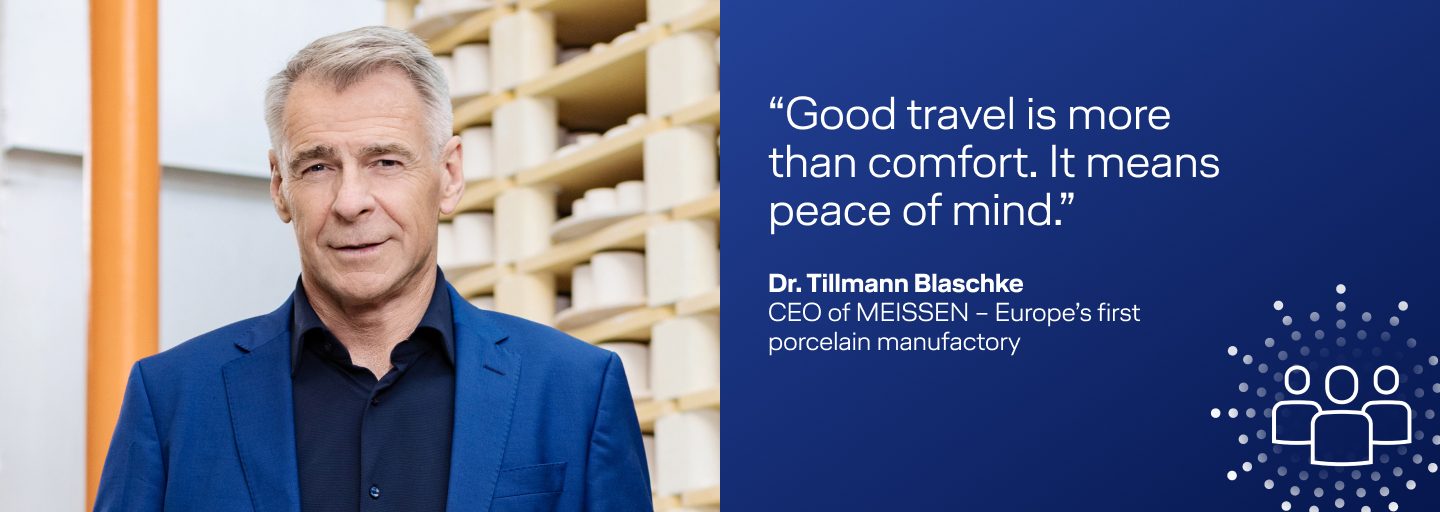
A conversation with Dr. Tillmann Blaschke, CEO of Staatliche Porzellan-Manufaktur MEISSEN GmbH

Founded: 1710
Headquarters: Meissen, Saxony, Germany
Products: Fine porcelain tableware, figurines, fine art, jewelry, and home decoration
CEO: Dr. Tillmann Blaschke
Employees: 400+
Our partnership: A shared commitment to quality, reliability, and “Made in Germany” excellence. MEISSEN’s international business operations rely on the Lufthansa Group’s global network to reach markets across Asia, Europe, and the Americas.
Website: meissen.comThe link will be opened in a new browser tab
Trust built at the fall of the Berlin Wall
When Dr. Tillmann Blaschke reflects on MEISSEN’s partnership with the Lufthansa Group, he begins not with logistics or contracts, but with a memory. “When I think of Lufthansa,” he says, “I think of trust.”
The brand name MEISSEN comes from the city of Meissen in Saxony. “However, our brand was never limited to the local market; even in the early years of the company’s history, it was popular with Russian tsars and the British royal family,” he elaborates. As the heart of European porcelain manufacturing, the brand quickly expanded its reach internationally, long before “globalization” became a concept.
For MEISSEN, 1989 marked a turning point unlike any in the company’s 315-year history. The fall of the Berlin Wall opened borders that had been closed for decades. Suddenly, markets such as Japan and the United States became accessible, creating new partnerships and opportunities. “Lufthansa was quite literally the connection between our home in Saxony and the world,” Dr. Blaschke explains.
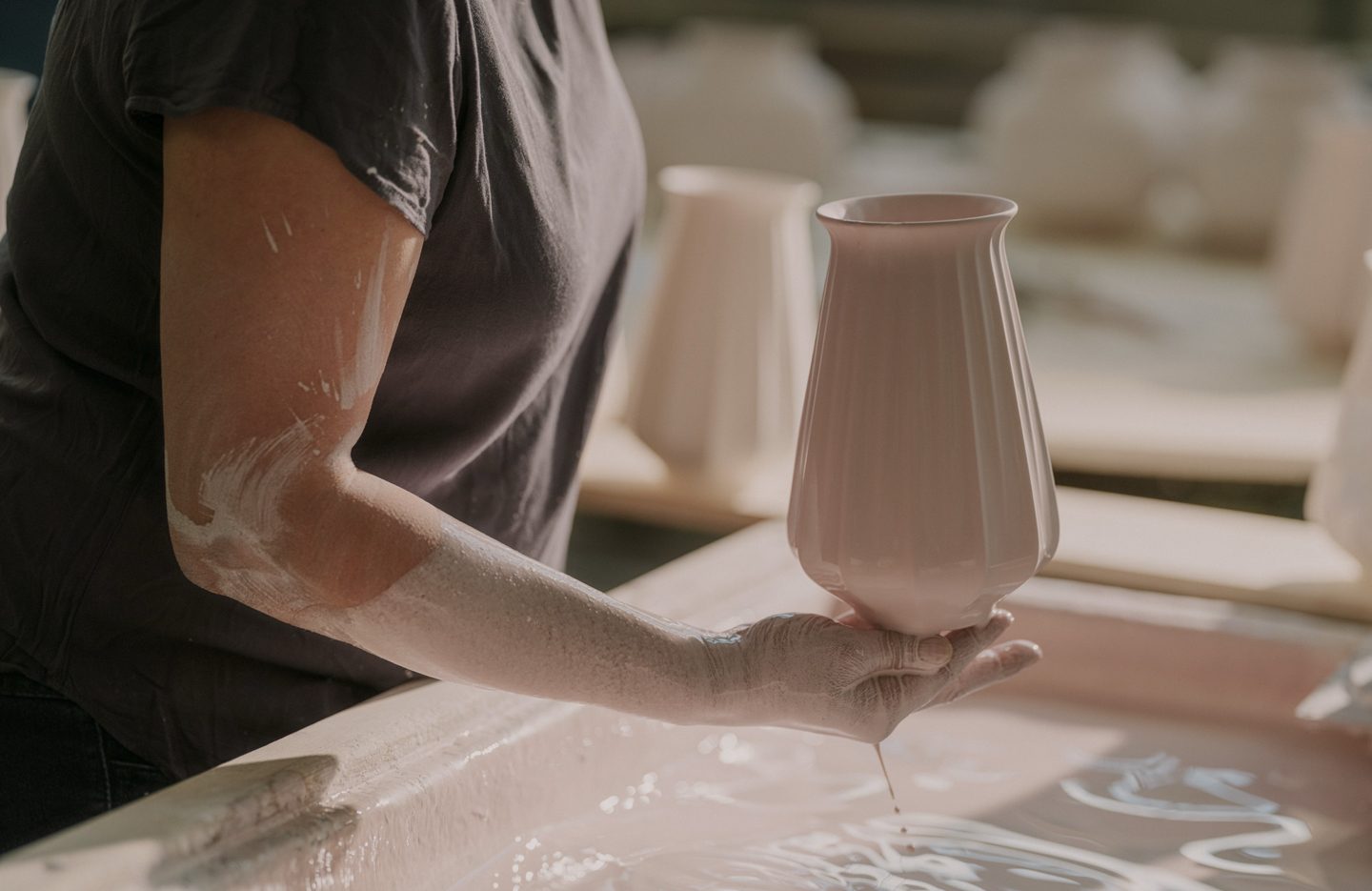
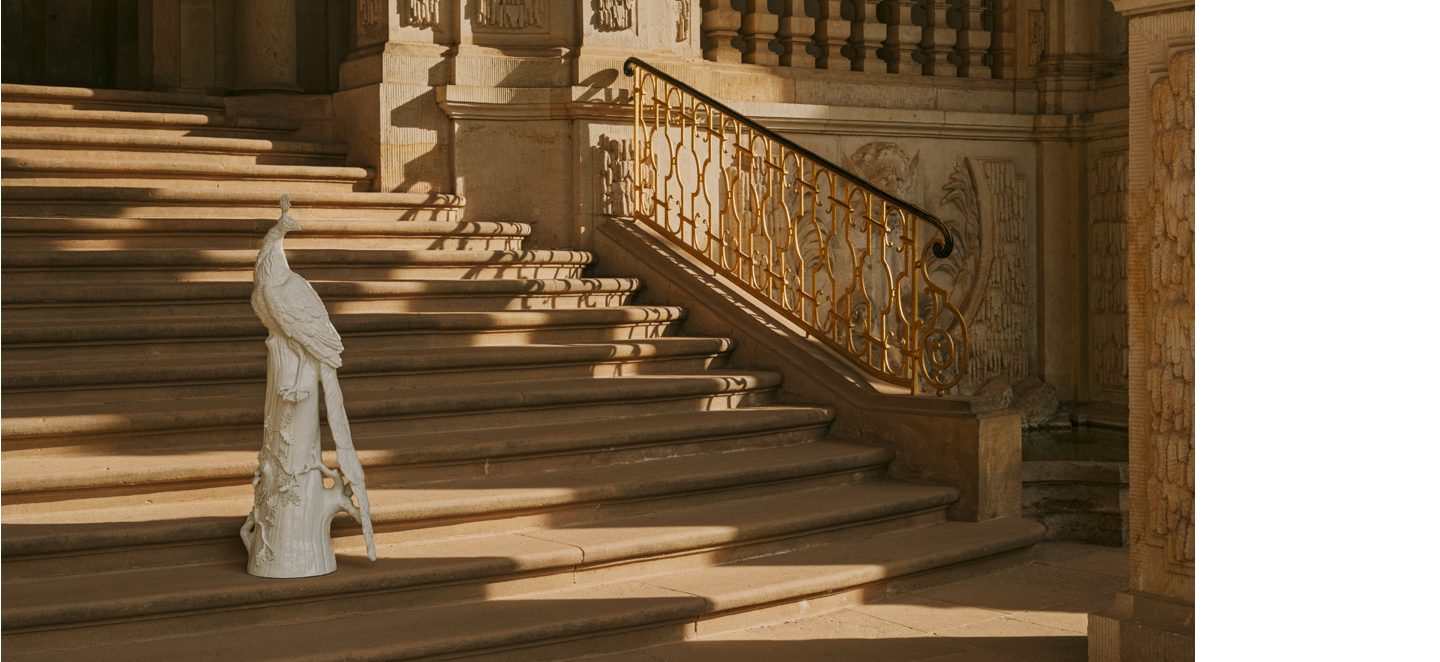
This foundation proved essential as MEISSEN expanded internationally. Over the decades, a shared understanding emerged – not just about business, but about what quality truly means. Today, MEISSEN’s network spans the globe, with particularly strong connections in Asia, cultivating what Dr. Blaschke describes as “a very great friendship” with Japan, Taiwan, and China. It is this alignment that transforms a business partnership into something more enduring: a partnership between two institutions that speak the same language of excellence.
The invisible architecture of reliability
Reliability sounds like a simple virtue. Dr. Blaschke suggests it is anything but.
He recalls a pivotal journey that crystallizes what Lufthansa means to MEISSEN’s operations. He was on the East Coast of the United States when urgent meetings came up in Frankfurt and Tokyo. The choice was binary: attempt the journey or abandon the opportunity. He chose to go. From the East Coast to Frankfurt, then the same day to Tokyo, where he would deliver a keynote address just two hours after arrival. The logistics were punishing. What remained with him was not the distance, but something far more valuable – composure. “Good travel is more than comfort. It means peace of mind.”
This is not corporate poetry. Dr. Blaschke was able to rest during the journey, to prepare for Tokyo, and to arrive composed and focused. No friction, no uncertainty – just the freedom to concentrate on what mattered: his work, his message, his presence. “That left a lasting impression on me,” he reflects. “Travel in international business is not an end in itself. It is often the foundation that makes performance possible at all.”
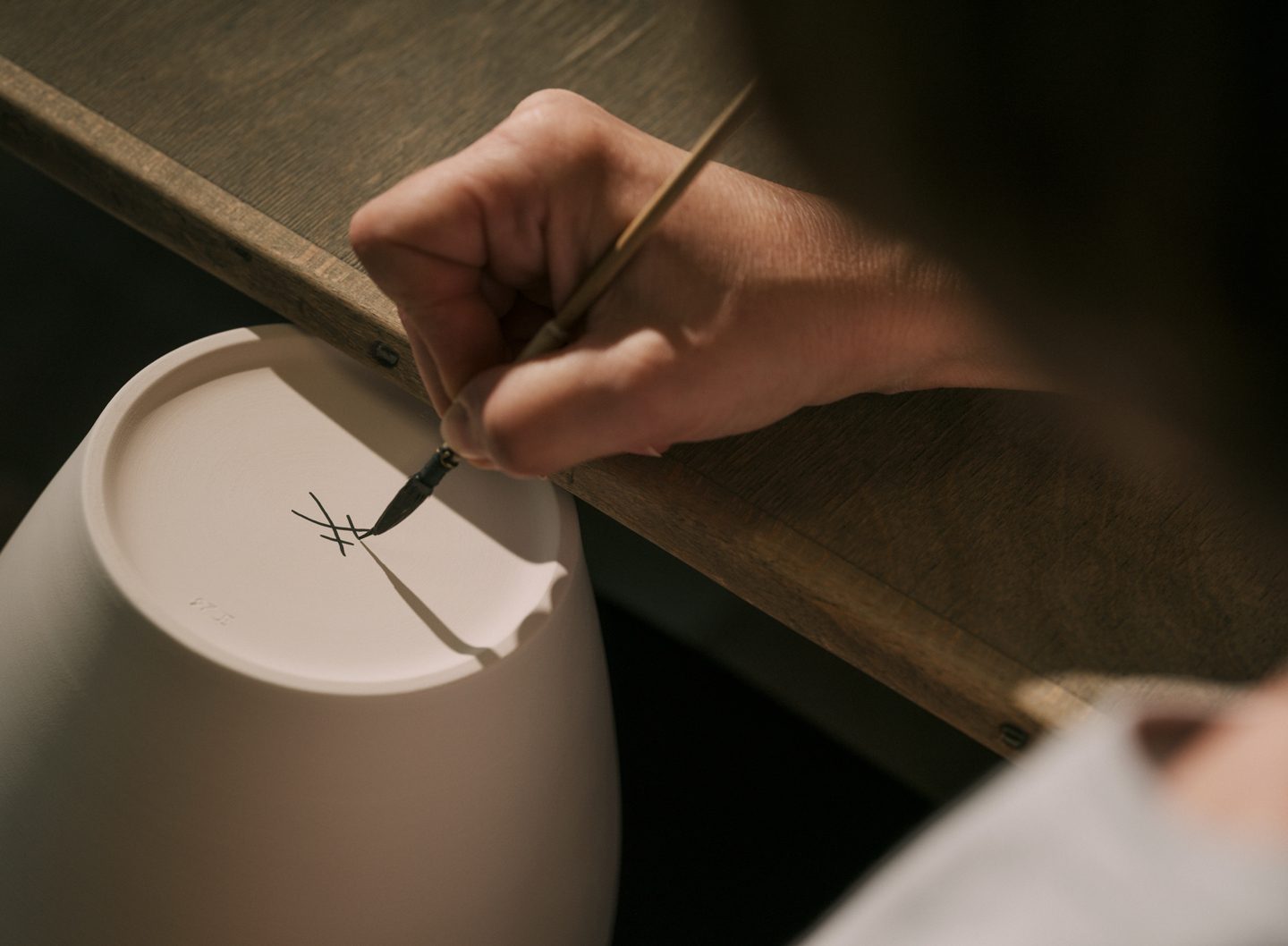
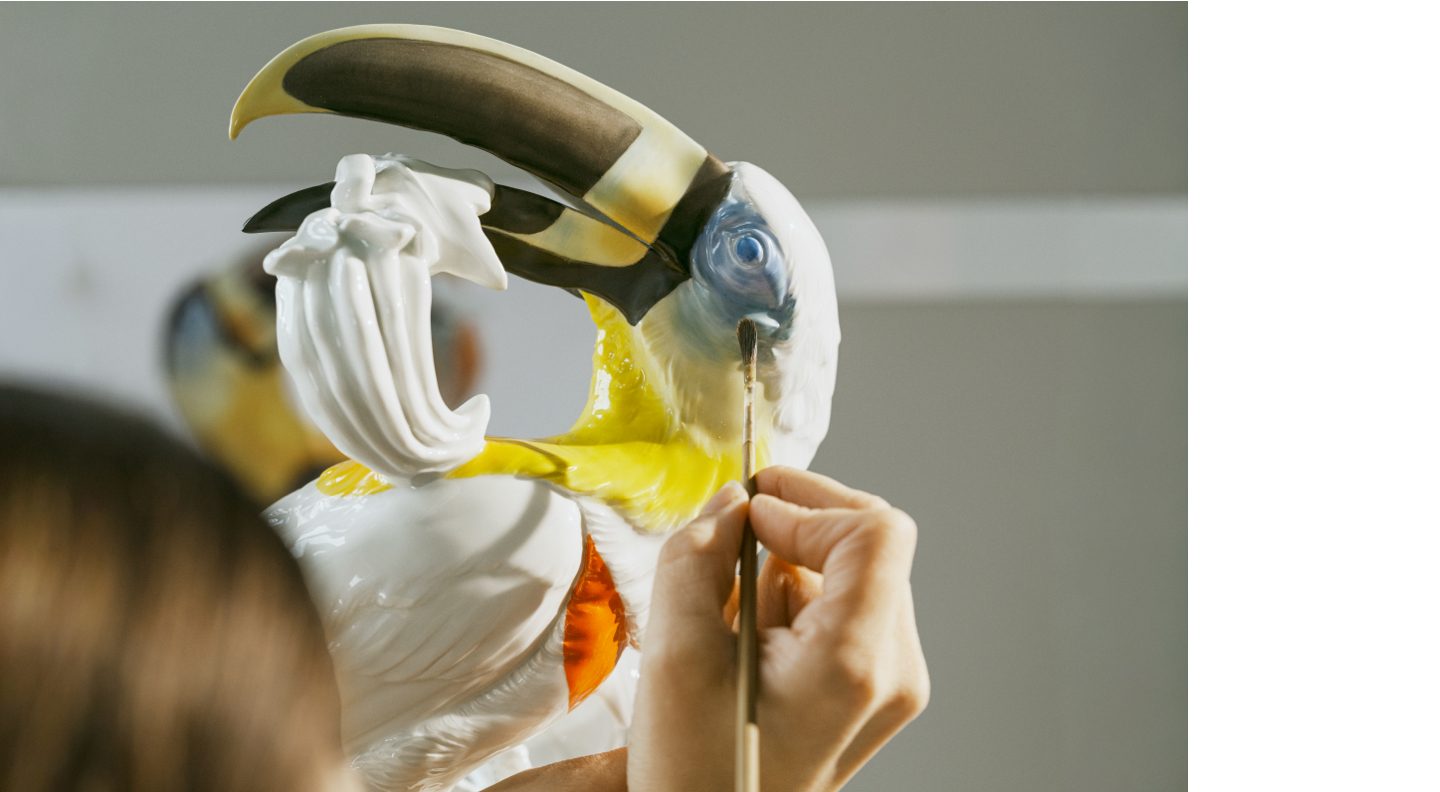
This principle applies to every MEISSEN employee who takes a flight with an airline of the Lufthansa Group. Not all are seasoned business travelers. Some must overcome a genuine fear of flying. The painters who travel internationally to demonstrate MEISSEN’s artisanal craft abroad need to feel secure. They need efficiency. They need headspace – not distraction – so they can focus on representing the brand with full presence and confidence.
“The economic effect of reliability is profound,” Dr. Blaschke explains. “Less friction. Higher efficiency. More focus on value creation. And that is what determines quality and results in international business.”
Reimagining tradition
The next decade will test both the Lufthansa Group and MEISSEN in ways that go beyond technical innovation. Efficiency, digital transformation, intelligent data – these issues have been settled. The real challenge is something else.
“How does a brand stay alive when the expectations and needs of people change?” Dr. Blaschke asks. He sees the Lufthansa Group’s strength precisely in this: the brand evolves systematically – in digital service, in the travel experience, in entertainment, in how a global network of partners collaborates – while still preserving the reliable foundation that customers trust. “Relevance does not come from heritage,” he observes. “It comes from momentum – from the will to do things better each day than the day before.”
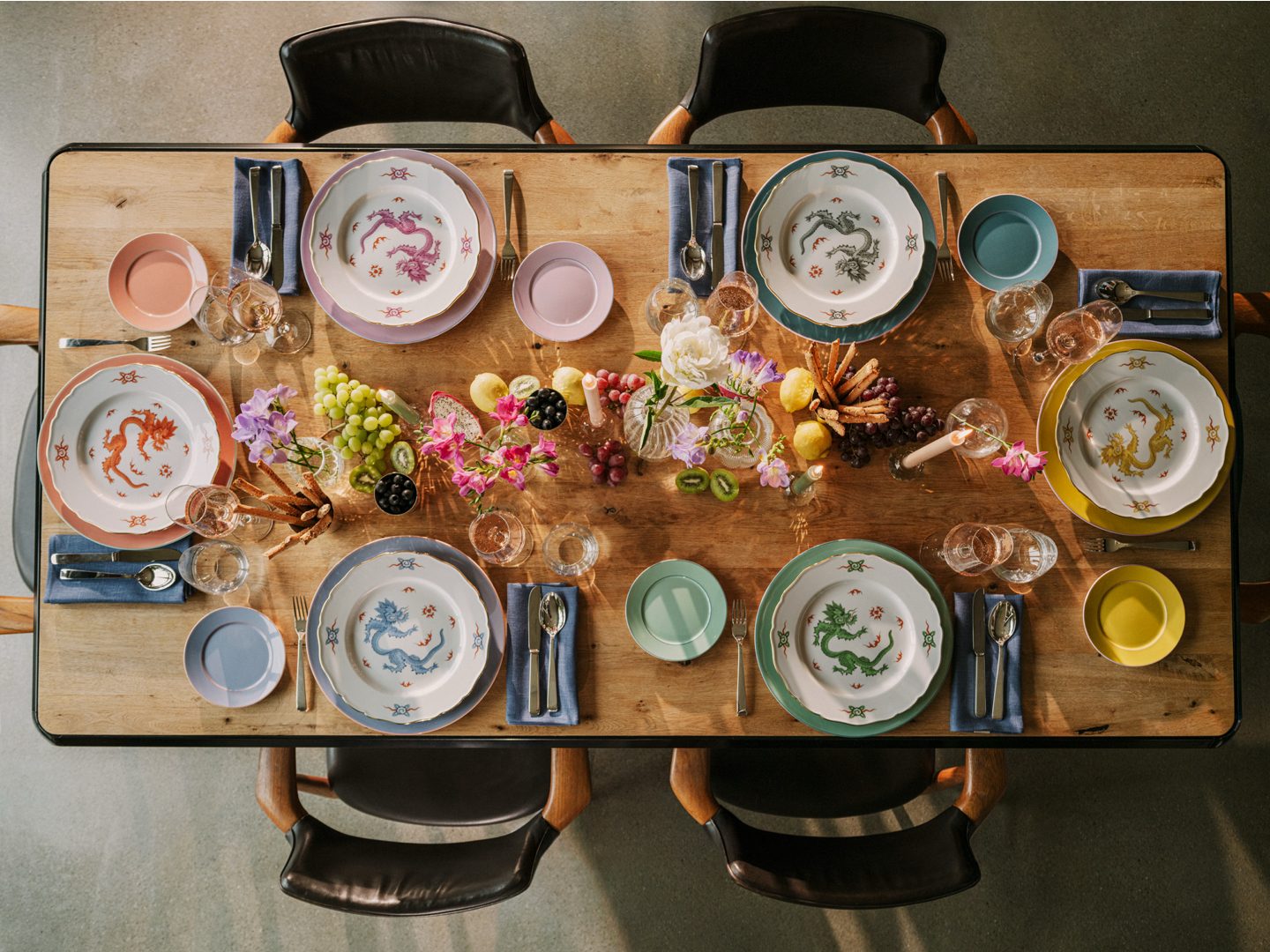
MEISSEN understands this intimately. Customers choose not for the past, but for whether a brand is contemporary and meaningful today. Heritage, in other words, is not a guarantee – it is a responsibility. Both MEISSEN and the Lufthansa Group carry this responsibility consciously, each in their own way. Dr. Blaschke’s vision for the next decade is one of continuous reinvention within an unwavering commitment to mastery: a balance between honoring deep tradition and embracing necessary change, all while fiercely protecting the uncompromising quality that defines both brands.

Just two more things:
Mr. Blaschke, MEISSEN is Europe’s first porcelain manufactory and one of Germany’s most iconic heritage brands. What values do you believe your company shares with the Lufthansa Group?
“I choose to fly with Lufthansa not only for practical reasons, but because I recognize the same commitment that defines MEISSEN: excellence is not achieved through isolated moments, but through the consistency with which performance is delivered day after day. At MEISSEN, the same principle governs production. A single ‘Berlin Mug’ handle cup passes through up to 66 individual steps before leaving the manufactory. Each is essential. Excellence emerges not from single moments of brilliance, but from the cumulative power of consistent execution. This continuity is also reflected in MEISSEN’s crossed swords, which are the oldest continuously used trademark in Europe. For centuries, they have stood as a visible symbol of quality and authenticity.”
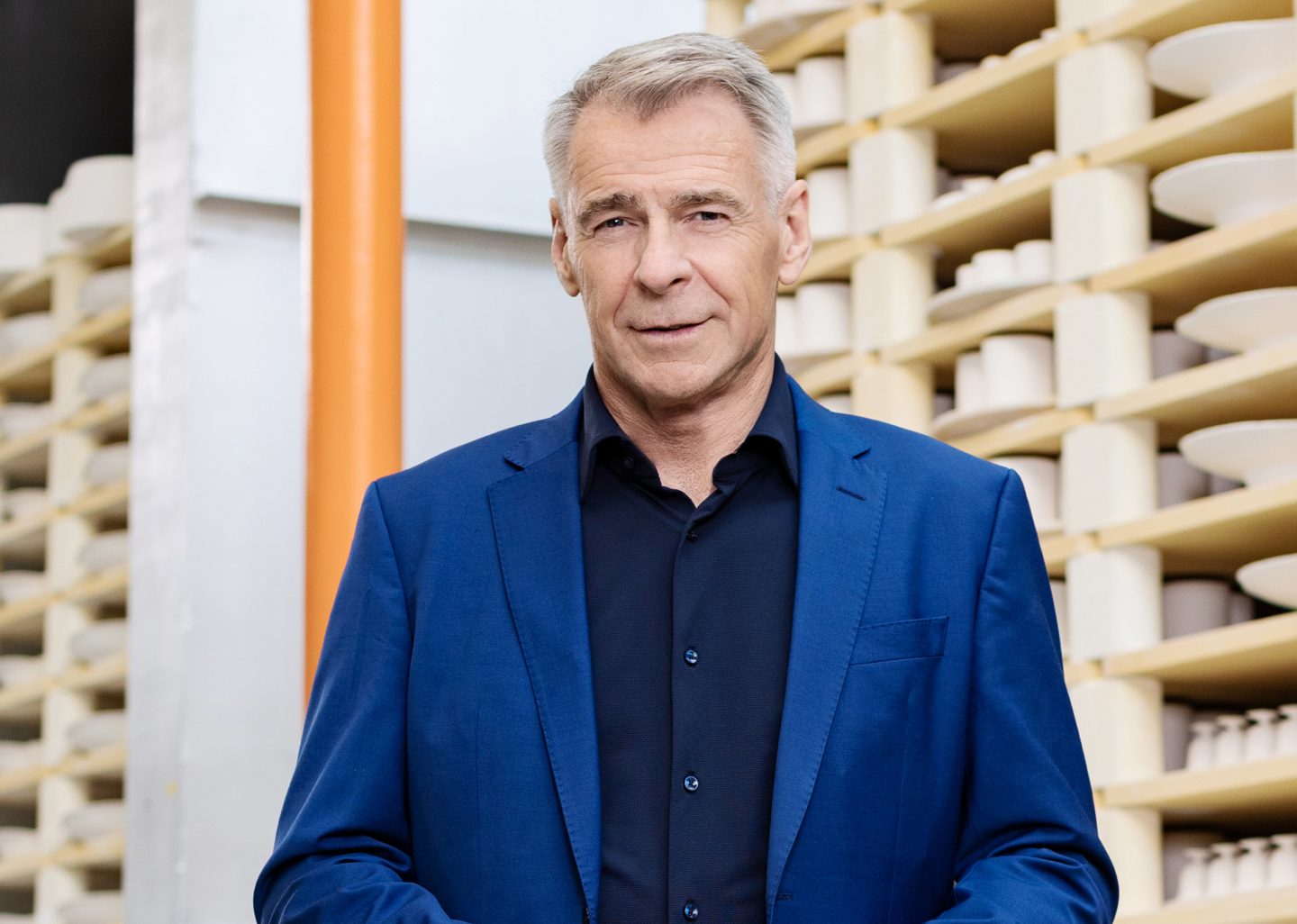
MEISSEN has always looked to the future and adapted continuously to the global market. Where would you say we are right now, and where do you believe the path is leading us? What is the next big destination on our map?
“Since the fall of the Berlin Wall, MEISSEN has consistently pursued this path, tapping into new international markets and building strong relationships with customers, collectors, and partners worldwide. Today, our focus is on the gradual modernization and rejuvenation of our company, our products, and our brand image. As a shared challenge for both of us – true to our respective DNA – we’ll have to evolve continuously while balancing rich tradition and innovation, and adapt – or even reinvent ourselves – in an ever-accelerating world. We should carefully uphold our uncompromising commitment to quality as we move forward on this journey.”
We would like to thank Dr. Tillmann Blaschke, for his inspiring insights into how to successfully position a heritage brand in today’s world!