
Most passengers never see behind-the-scenes work that makes their journey feel effortless. They do not witness the routines, the training, the prevention, or the countless decisions that need to be made long before an aircraft leaves the ground. In a conversation with Prof. Dr. Karsten Homrighausen, the Berliner Feuerwehr (Berlin Fire and Rescue Service) emerges as a quiet but essential force in the larger system of air travel: a partner shaped by responsibility, grounded in operational excellence, and committed to the idea that freedom means little without the support of a safety system.
Celebrating shared stories: Berliner Feuerwehr
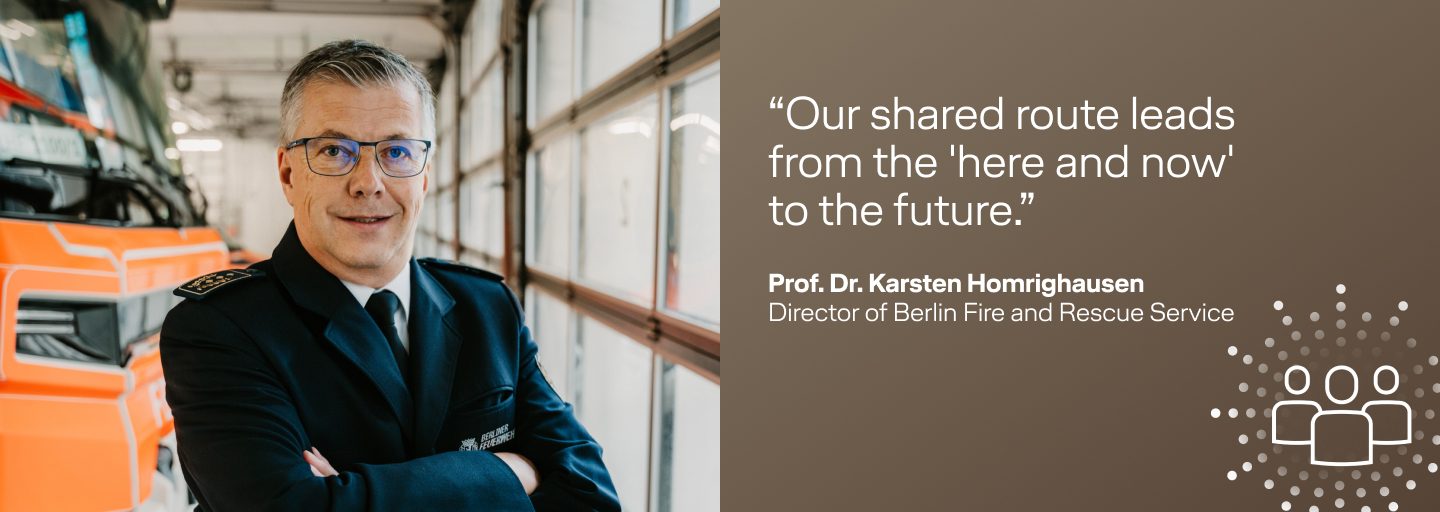
A conversation with Prof. Dr. Karsten Homrighausen, Director of Berlin Fire and Rescue Service

Founded: 1851
Headquarters: Berlin, Germany
Products: Firefighting, technical assistance, emergency medical services, and preventive fire protection
Director: Prof. Dr. Karsten Homrighausen
Employees: 5,600+
Our partnership: Partners from day one – since the first Lufthansa and its maiden flight from Berlin-Tempelhof in 1926.
Website: berliner-feuerwehr.de
A shared history above the city
For Prof. Dr. Homrighausen, the story of the Berliner Feuerwehr and the first Lufthansa reaches all the way back to April 6, 1926 – the date of the maiden flight, which took off from Berlin’s Tempelhof Airport. At a time when flying still belonged to the realm of possibility rather than routine, that departure stood for much more than a route on a map. It stood for movement, courage, and belief in what comes next. The route he associates with both institutions is, as he puts it, “the route from the ‘here and now’ to the future – on behalf of all fire and rescue services.”
Loading...
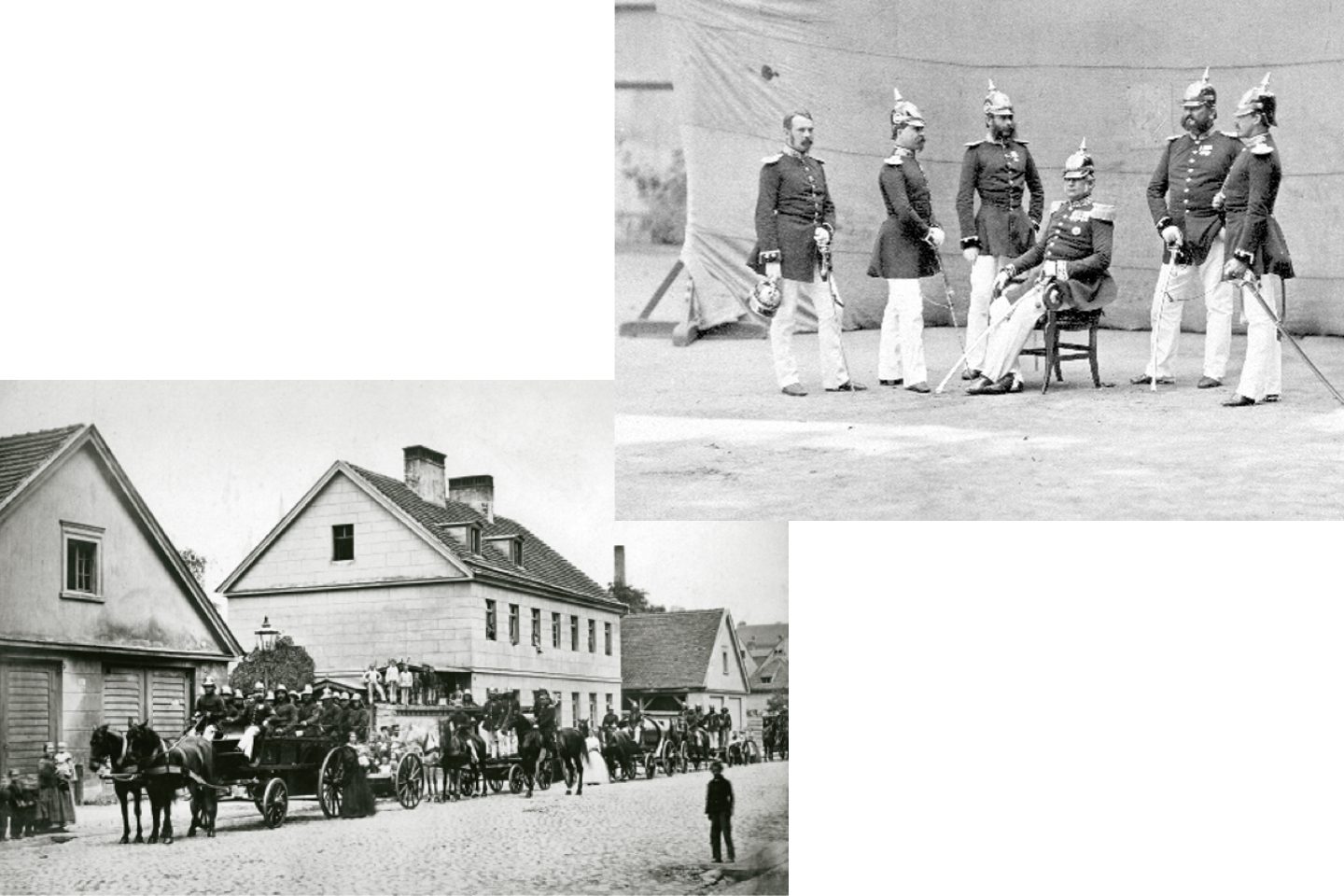
It is a poetic answer, but also a precise one. Both the Berliner Feuerwehr and Lufthansa have grown alongside the city of Berlin – sometimes through extraordinary historical moments. For Prof. Dr. Homrighausen, one stands out above all others. “Apart from the launch of the airline’s flights from Berlin, the most memorable moment for our city – and therefore also for the Berlin Fire Department – was when Lufthansa, as the first German airline, was allowed to land in Berlin again on October 2, 1990, following the end of the Cold War,” he says. “The airspace over Berlin had become a special symbol of the divided city, due to the Berlin Airlift. Accordingly, its opening marked the reunification, which was officially completed the following day, in an equally symbolic way. And this was not only a historic event for Berlin, Germany, and the world – it also initiated a new beginning of sorts for the Berliner Feuerwehr, which had been divided into East and West also.”
The safety people do not see
When air travel first came to Berlin, the fire and rescue service had to rethink its entire approach. A new mode of mass transportation, fueled by flammable materials, demanded new tactics, new coordination, and new forms of training – work that never stopped. It also crystallized something deeper than competence: a shared understanding of what it takes to operate where there is no margin for error.
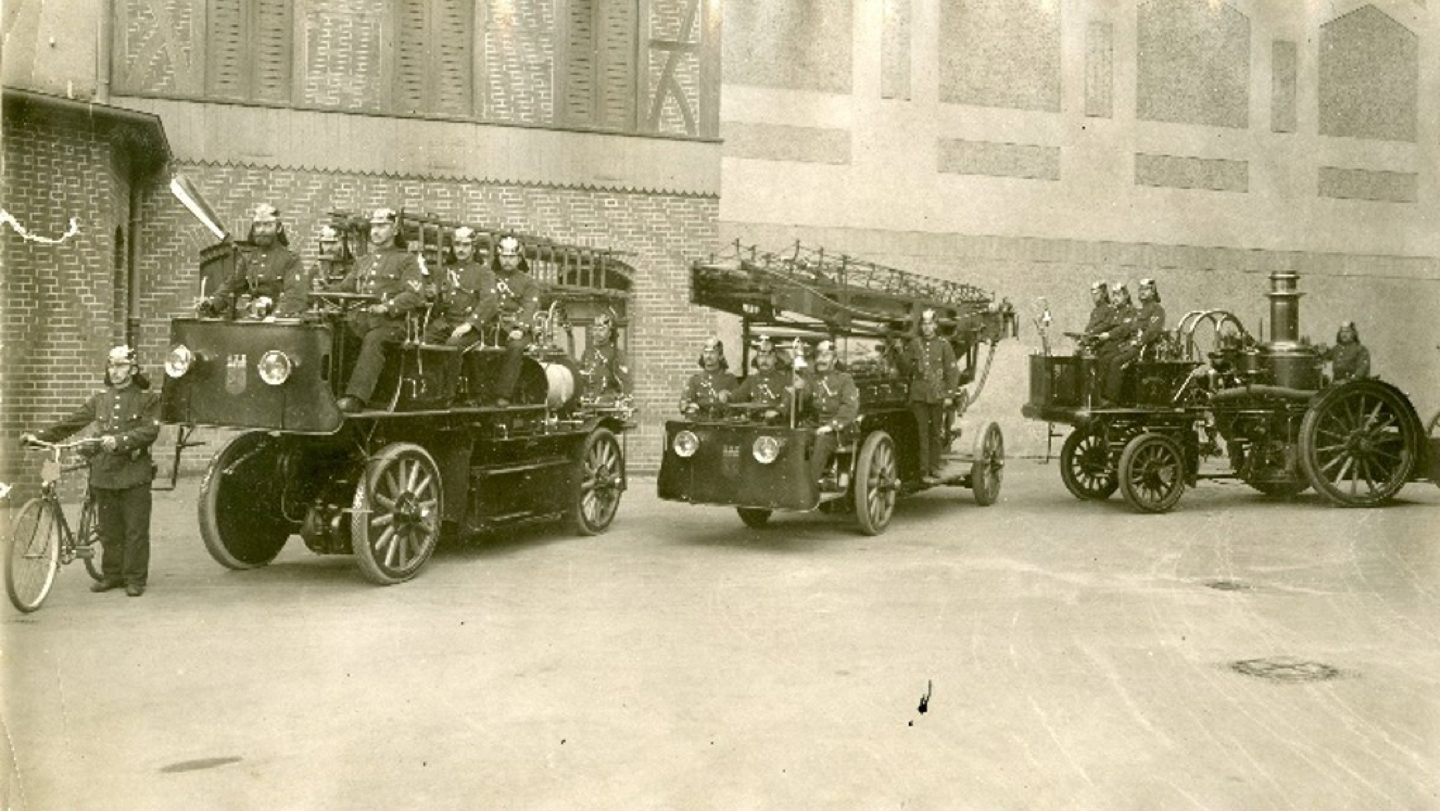

When asked to sum up the partnership in three words, Prof. Dr. Homrighausen does not hesitate: “Safety – because it is the top priority for both Lufthansa and the Berliner Feuerwehr. Progress – because both organizations are open to research and innovation. Experience – because both organizations have a long history, and we continue to benefit from the events and insights of that history to this day.”
There is a personal dimension to this, too. “There is something particularly emotional about that sense of freedom that arises when an airplane lifts off the ground,” he says. “This freedom holds historical significance in this country and especially in this city – and that includes the freedom to travel.” In the air, the airline safeguards its passengers by means of quality management, checklists, and disciplined operational systems. “On the ground, we as firefighters do the same for the people in our city,” he says. “And if something does happen, we attend to it and take care of the people.”
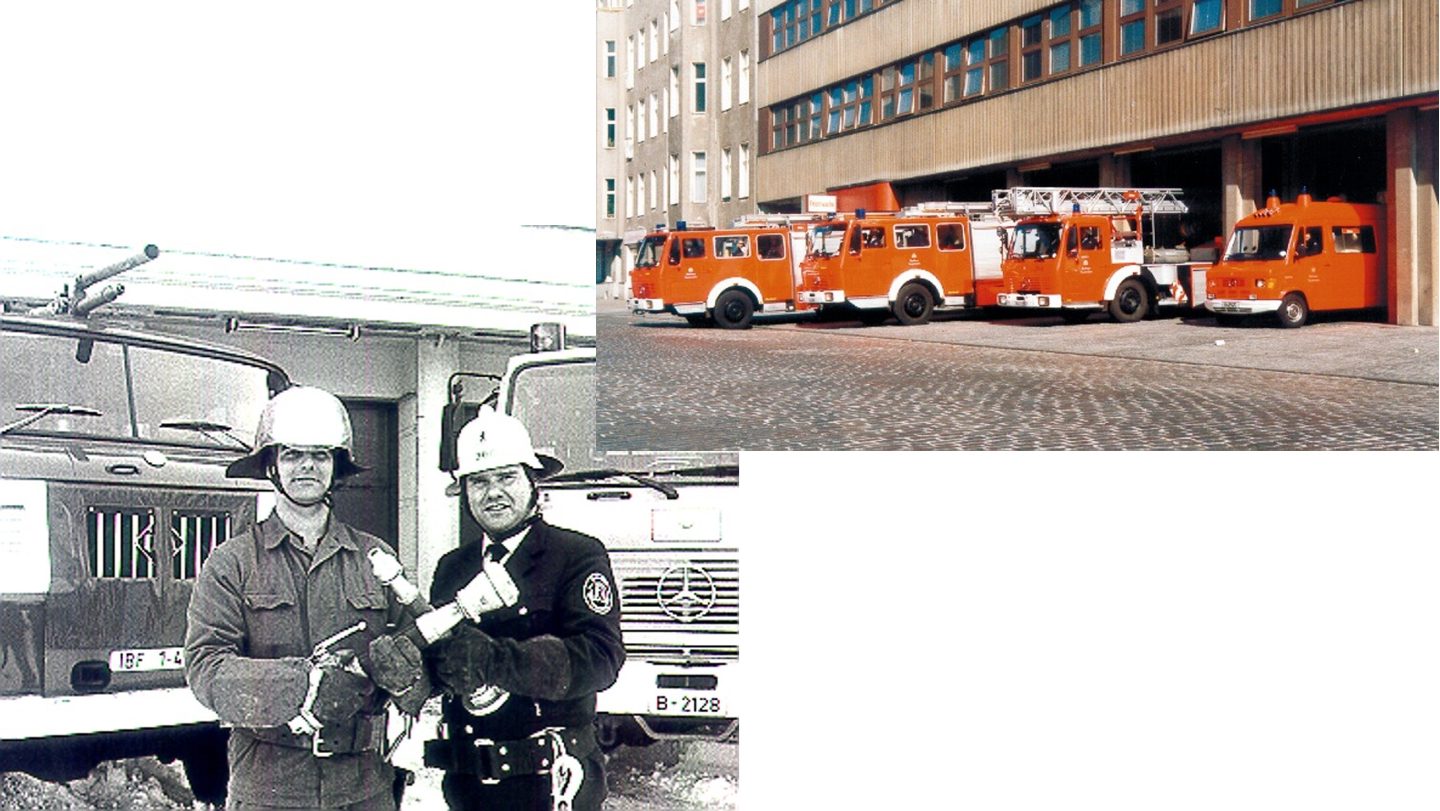
Looking ahead, both industries face real pressures – above all climate change, the transition to sustainable fuels, and cybersecurity. But for Prof. Dr. Homrighausen, these are also opportunities. Both Lufthansa and the Berliner Feuerwehr are marking major anniversaries this year – 100 and 175 years respectively – and that shared history only heightens the ambition for what comes next. “As leading organizations in our respective branches, we are committed not only to maintaining the status quo but also to positioning ourselves for the future. The next goal is to embrace the challenges of the present and transform them into opportunities for the future. This is how we ensure that our organizations continue to stand for what they are known for: quality, reliability, and safety.”

Just two more things:
Prof. Dr. Homrighausen, your role is defined by responsibility and trust. Could you describe a personal experience where the smooth collaboration between your team and ours was crucial to everyone’s safety?
“One decision that has contributed to the well-being and safety of the majority of Berlin’s residents was the permanent closure of Tegel Airport (TXL) – as historically significant as it was – to civilian air traffic. When a system comes to its limits, it is advisable to modify it and, if necessary, transition to a completely new solution. A willingness to change, along with the ability to identify and utilize development potential, are crucial to the success of complex systems.
The closure of TXL has opened up such development potential not only for Lufthansa, but also for the Berliner Feuerwehr, since the new Berliner Feuerwehr Academy is set to be built at this location in the near future. Where Lufthansa airplanes used to take off, land, and undergo maintenance, young firefighters will then be trained to ensure the safety of Berlin’s residents.”
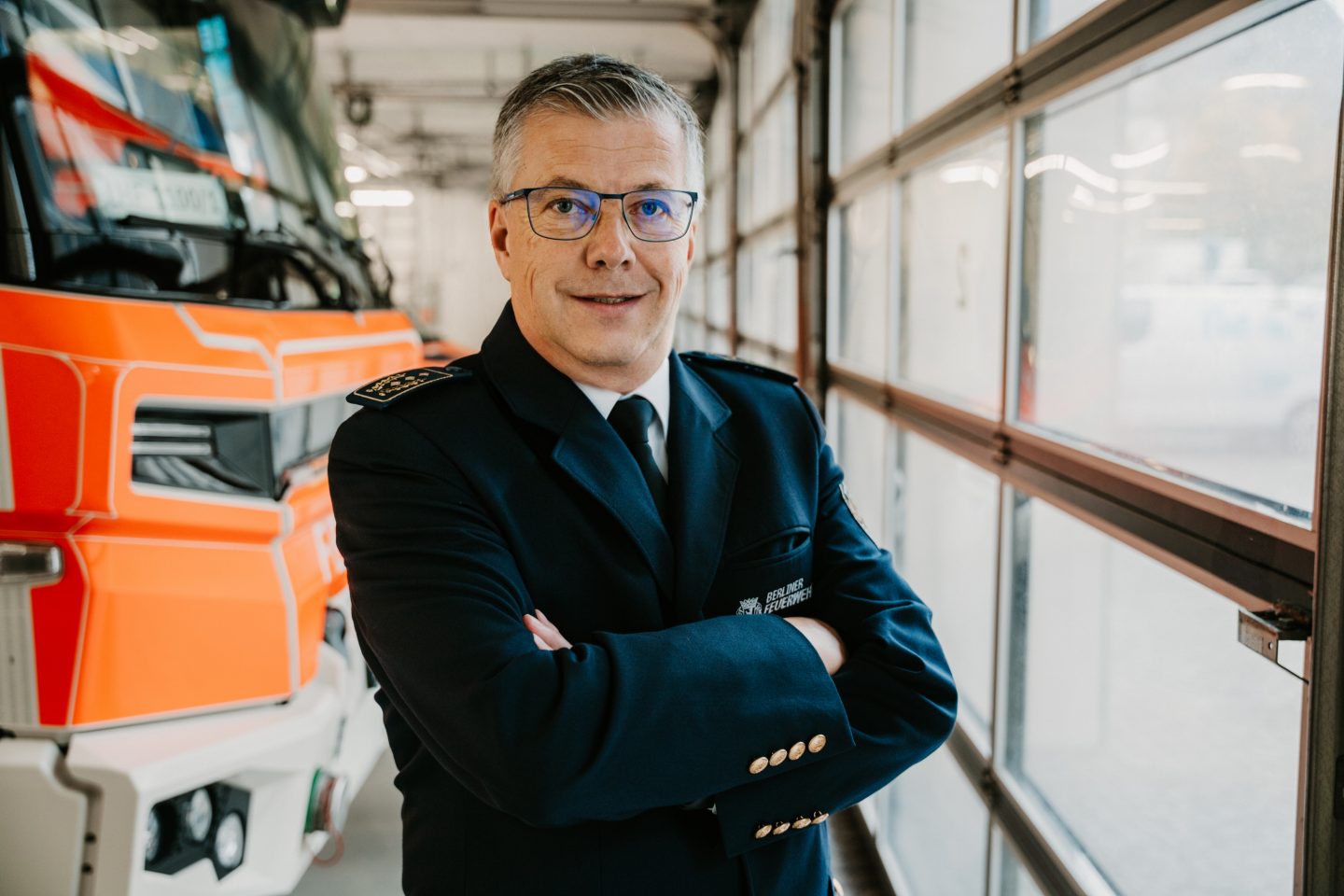
Most passengers are never aware of the preparations made to ensure their safety. Why is this largely “invisible” collaboration so essential to the sense of security that allows people to simply enjoy their flight?
“In my opinion, the key to this lies in trust. People trust us even though they hardly notice the details of our work – whether it’s the steps taken to extinguish a fire or going through the pre-flight checklist. They only see the result, and in most cases, it’s flawless. Because as High Reliability Organizations, we are committed to continuously reviewing our processes, clearly identifying errors, and striving to always improve just a little bit more. It’s no coincidence that firefighters and pilots are among the most respected professions: it’s well known that their work requires a high level of expertise and precision. At the same time, the error rate is extremely low – and that builds trust.”
We would like to thank Prof. Dr. Karsten Homrighausen for this inspiring conversation and his fascinating insights!