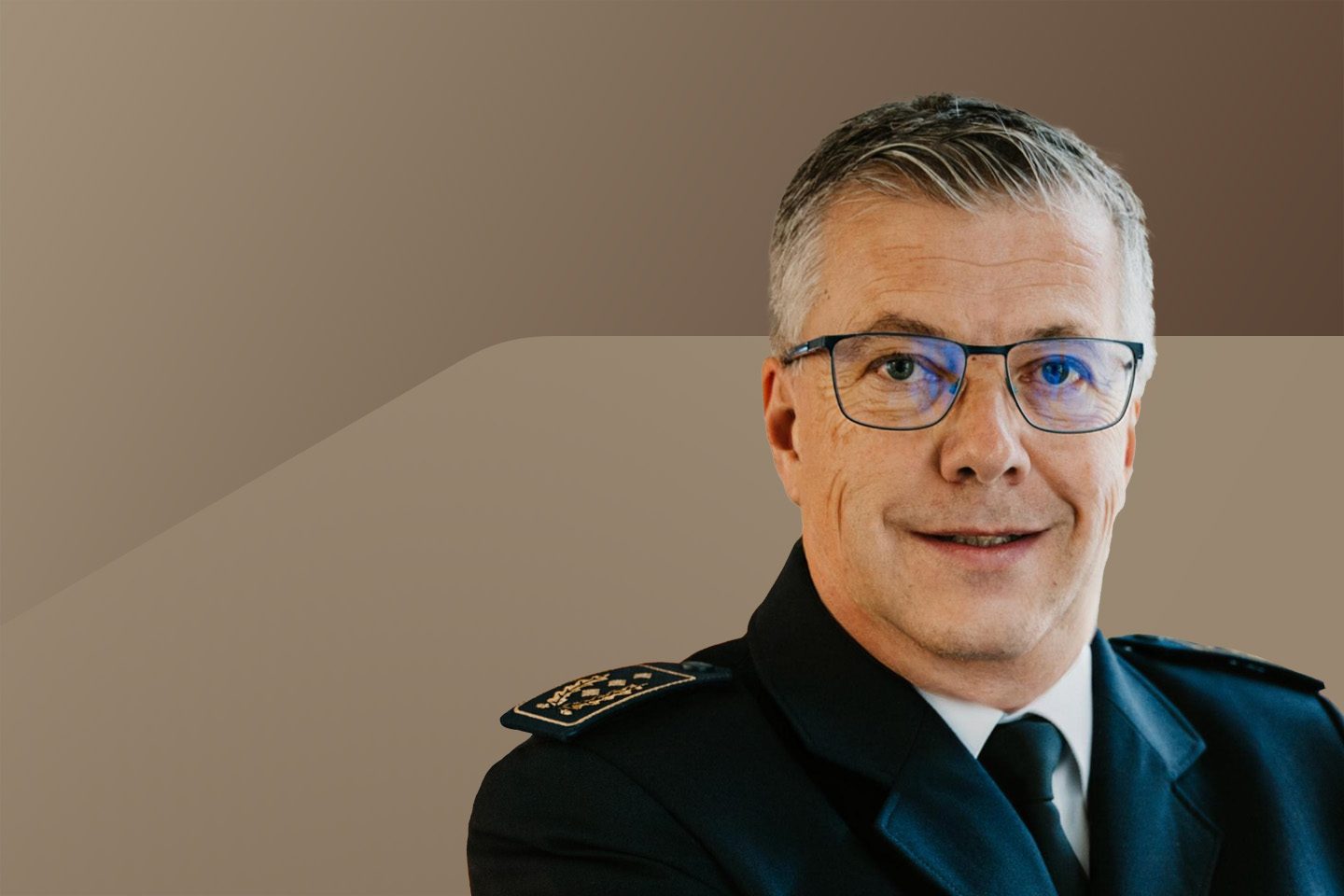
While some companies are connected solely by transactions, others share a deeper commitment to long-term relevance. The relationship between Siemens and the Lufthansa Group is firmly defined by the latter. For Dr. Xiao Song, President of Siemens Greater China, the bond between two of the world’s most storied industrial companies is rooted in a conviction they hold in common: that the organizations shaping the next decade are those willing to make transformation not a side project, but a strategic imperative.
Celebrating Shared Stories: Siemens
.jpg.transform/lh-dcep-transform-width-1440/img.jpg)
A conversation with Dr. Xiao Song, Global Executive Vice President, President of Siemens Greater China

Founded: 1847
Headquarters: Munich, Germany
Products: Industry, infrastructure, transport and healthcare
Global CEO: Roland Busch (President & CEO, Siemens AG)
Employees: ~318,000
Our partnership: A key corporate travel partner of Lufthansa Group, leverages close collaboration to ensure more efficient and smoother business travel.
Website: siemens.comThe link will be opened in a new browser tab
A Century of Pushing What’s Possible
Dr. Xiao Song’s connection to the Lufthansa Group is a long one – and a surprisingly personal one. “For a long time, Lufthansa has been bringing unique and fresh experiences,” he says with a smile. “In fact, Lufthansa is where I started to appreciate the taste of cheese.” It is a small moment, but a telling one: the kind of memory that only sticks when an experience leaves its mark.
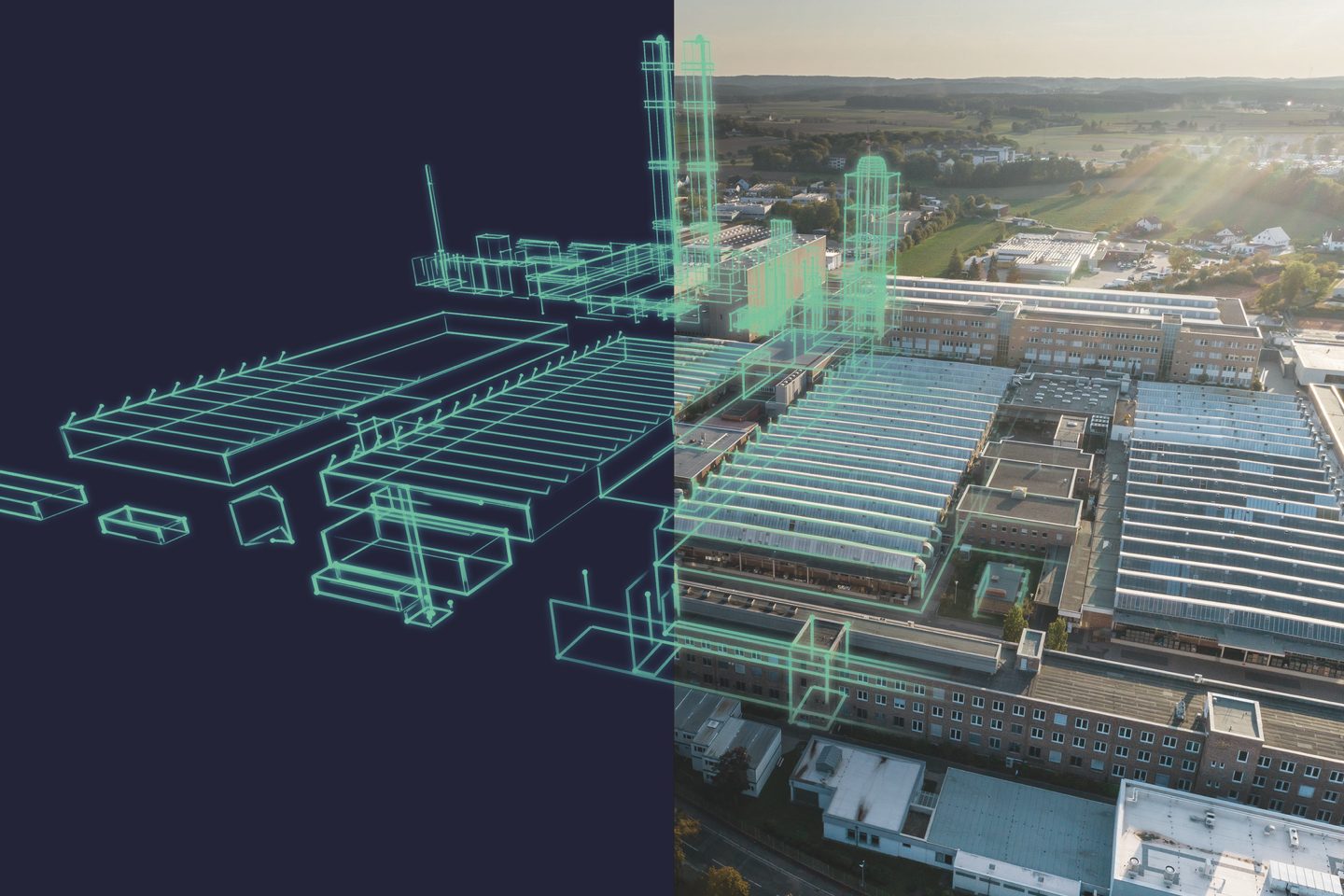
When Dr. Xiao Song reflects on the history of Siemens and the Lufthansa Group, he reaches back further than most executives would dare. For him, the real connection lies in a shared commitment to innovation embedded in each company’s DNA. “Over a century of pushing what’s possible runs through the history of both companies,” he says. “Siemens scaled electricity around the globe; Lufthansa brought the world within reach through flight. That DNA lives on – today Siemens is leading industrial AI, and Lufthansa is pioneering digital aviation.”
That heritage also expresses itself in the way both companies approach the people they serve. Dr. Xiao points to reliability and operational excellence as shared core values. “Both companies are well-known for their reliability and operational excellence – because when you’re moving people or powering industries, failure is not an option.” Siemens, he explains, stays close to customers to understand their real challenges. Lufthansa operates with the same philosophy, placing the passenger experience at the center of every decision. “Only by understanding real needs can we create real value.”
From Lab to Runway
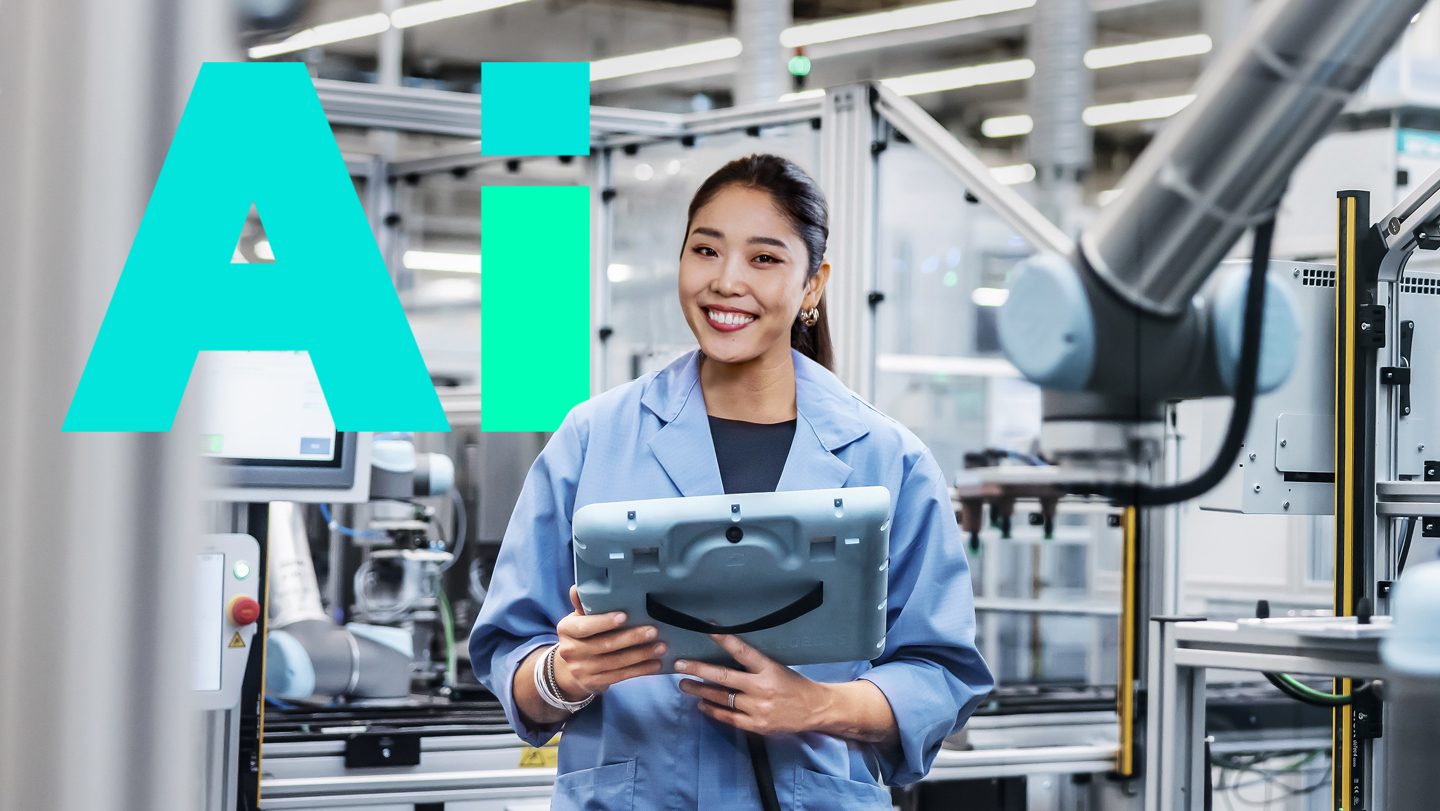
For Dr. Xiao, aviation is one of the most compelling areas in which AI is already delivering tangible results. “AI is everywhere in industry – and aviation is a powerful example,” he says. “It tackles the sector’s hardest pain points: high costs, operational complexity, and the urgent need to decarbonize. We’re already seeing AI move from lab to runway – predictive maintenance that prevents delays before they happen, route optimization that cuts fuel burn, and smarter ground operations that move people and cargo faster.”
But Dr. Xiao is equally clear that the opportunity belongs to those willing to commit fully. The shared challenge – and opportunity, as he frames it – is anchoring AI firmly to business reality. “Not AI as a side project, but as a transformation imperative that touches every decision, every process, every operation.” As a global leader in industrial AI, Siemens is already acting on that conviction, “committed to unlocking the transformative power of AI for companies of all sizes across industries and driving real-world applications at speed and at scale.”
The vision extends geographically, too. In China – a market where both Siemens and the Lufthansa Group have deep roots – Dr. Xiao sees particular promise ahead. He looks forward to seeing Lufthansa “continue to elevate localized experiences while sharing global expertise, as the airline embarks on the next century of aviation.” And the ambition reaches beyond geography. For Dr. Xiao, the next frontier is one both companies are already navigating in their respective fields: the shift to a more sustainable future. “Siemens is transforming the energy footprint of industry; Lufthansa is powering sustainable aviation,” he says. “Across industries, we are proving that green and growth can go hand in hand.” For Dr. Xiao, what began as aligned philosophies now translates into a shared belief for the future: sustainability is not a trade-off with profitability, but the next engine of innovation.

Just two more things:
Dr. Xiao, Siemens is a global technology powerhouse with a strong focus on digitalization and industrial transformation. Looking back at your collaboration with the Lufthansa Group – particularly in areas like business travel, logistics, or corporate innovation – what has been a standout moment or project where the two companies truly acted as strategic enablers for each other?
“I really admire Lufthansa’s consistent commitment to rigor, high quality, and customer-centric experience. I believe there will be more opportunities for sharing sustainability, innovation and driving transformation in the future.”
As both Siemens and Lufthansa Group are driving toward ambitious climate goals, how do you see the partnership evolving in the field of sustainable aviation and smart mobility? What role could Siemens’s expertise in automation, digital twins, or green technologies play in shaping a more sustainable future for the aviation industry together?
“When it comes to climate goals, companies across industries share a common objective: to drive green and sustainable development while achieving business growth. At Siemens, sustainability is at the core of what we do, and around 90% of our business enables customers to achieve a positive sustainability impact. By 2030, Siemens aims to help customers avoid more than 1,000 million tons of emissions cumulatively worldwide, while Siemens China will support over 50,000 customers in their green, low-carbon, and high-quality development.
Looking ahead, we hope to fully leverage Siemens’s broad tech stacks – including AI, digital twins, automation, and efficient manufacturing – to help shape a more sustainable future for the aviation industry. Together, these capabilities can support smarter operations, greater energy efficiency, and more sustainable mobility across the aviation ecosystem.”
We would like to thank Dr. Xiao Song for his time and this inspiring conversation!